
Best Real Estate CRM for Lead Generation in India (2026 Guide)
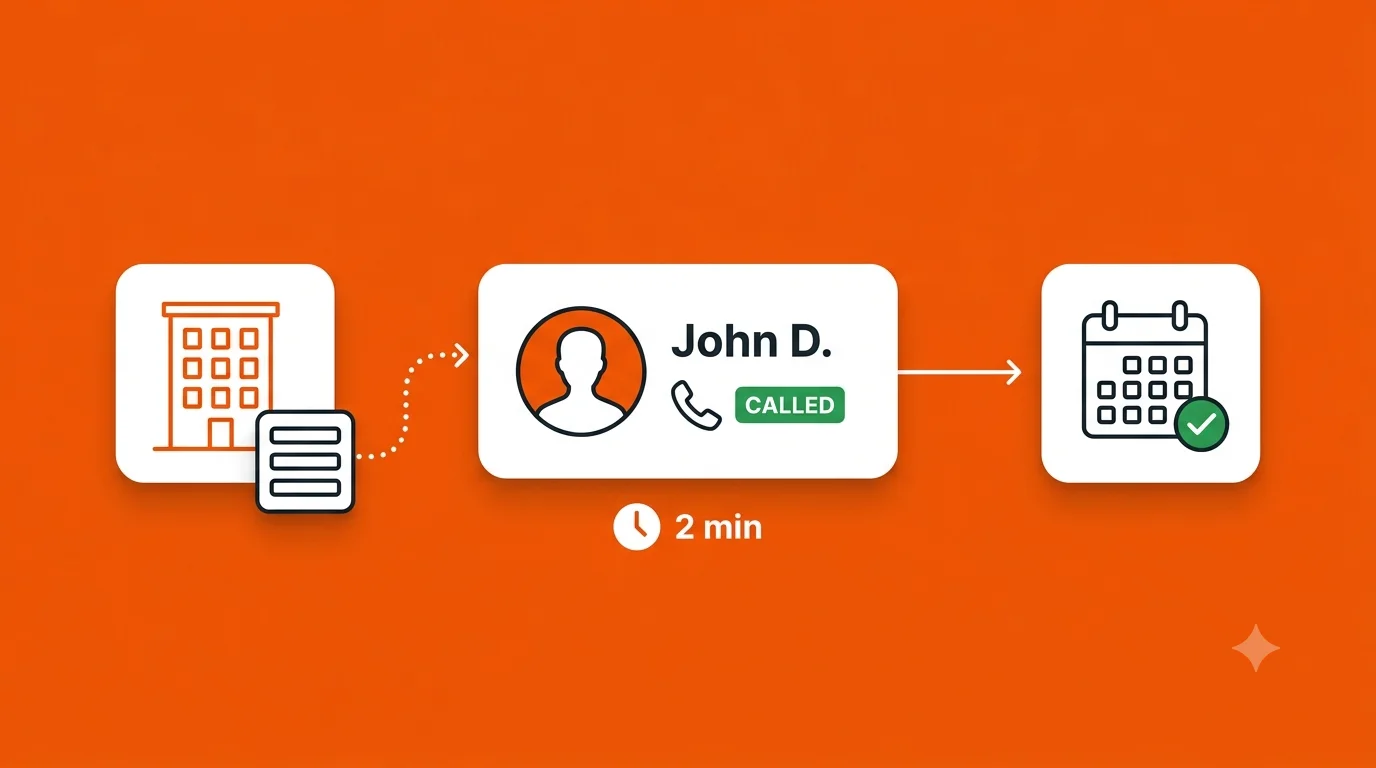
Real estate lead generation in India has a speed problem. A buyer fills out an inquiry form on 99acres, MagicBricks, or Housing.com and submits the same query to four or five developers or brokers simultaneously. The first agent to call wins the conversation. The rest get ignored or, at best, a polite "I'll think about it."
Research on B2C lead conversion consistently shows that the probability of qualifying a lead drops by over 80 percent if the first call happens more than 5 minutes after the inquiry. In Indian real estate, where a single site visit can take half a day and a single deal can take weeks to close, the leads that convert are almost entirely the ones that were called within minutes — not hours.
The best real estate CRM for lead generation is therefore not defined by the number of features on the pricing page. It is defined by how fast it gets an agent on the phone with a new lead, how consistently it ensures follow-ups happen, and how clearly it shows a manager which leads are slipping before they go cold permanently.
Why most real estate teams lose leads before the first call
The typical lead flow in an Indian real estate office: an inquiry comes in via a portal, an email notification arrives in a shared inbox, someone eventually checks the inbox, copies the details into a spreadsheet, decides which agent to assign it to, sends a WhatsApp to that agent, and the agent calls when they get to it.
By the time that first call happens, 30 to 90 minutes have passed. The buyer has already spoken to at least one other developer. The conversation that follows starts at a disadvantage that no sales script can fully recover from.
This is not a people problem. It is a process problem, and the process is broken by the absence of a CRM that connects the lead source directly to an agent's call queue with no manual steps in between.
What a real estate CRM needs to do differently
Generic CRMs are built around deal stages and contact records. They are designed for B2B sales cycles that play out over weeks of emails and meetings. Real estate, particularly residential sales in India, works differently. The decision cycle is emotional and fast. The buyer is often speaking to five properties simultaneously. The agent's job in the first call is not to close — it is to secure a site visit, because a buyer who visits a property converts at a dramatically higher rate than one who does not.
A real estate CRM needs to handle the following things that generic CRMs handle poorly or not at all:
Instant portal integration. Leads from 99acres, MagicBricks, Housing.com, Facebook Lead Ads, and Google should arrive in the CRM within seconds of the inquiry, not minutes or hours. Every manual step between inquiry and CRM entry adds latency that costs conversions.
Automatic assignment by locality or project. When a lead comes in for a property in Whitefield, it should go to the agent who handles Whitefield — automatically, without a manager making an assignment decision. Assignment rules should be configurable by project, locality, lead source, or round-robin rotation.
SIM-based calling from the lead card. An agent should be able to call a new lead with one tap from the CRM on their phone. Not open a separate dialler, not switch apps, not manually dial. One tap. Call attempts, duration, and outcomes should be logged automatically without the agent typing anything.
Site visit scheduling and tracking. The primary conversion metric in real estate is site visits booked, not just calls made. The CRM needs to support scheduling a visit directly from the lead card, sending a confirmation to the buyer, and tracking whether the visit happened.
Follow-up enforcement. A lead who says "call me Thursday" needs to surface at the top of the agent's queue on Thursday morning without the agent needing to remember it or check a calendar. The CRM should own the follow-up schedule and surface it automatically.
How Calliyo handles the real estate lead generation workflow
Calliyo is built around SIM-based calling, which means every call an agent makes goes out from their actual SIM card — no VoIP, no internet dependency, no dropped audio in areas with weak data connectivity. In tier-2 cities and on construction site visits where data signals are unreliable, this matters significantly.
Lead capture and instant assignment. Leads from portals and Facebook arrive in Calliyo via webhook integration within seconds of the inquiry. Assignment rules route each lead to the right agent immediately based on project or locality mapping. The agent's phone gets a notification. The lead is at the top of their queue before a competitor's agent has even seen the inquiry.
One-tap calling from the lead card. The agent taps the lead, sees the property interest, any previous interaction history, and the buyer's source. One more tap initiates the call from their SIM. The call is logged automatically. When it ends, the disposition screen appears: Interested, Not Interested, Site Visit Scheduled, Callback Requested, No Answer. The agent taps one option, optionally adds a note, and the next lead is ready.
Site visit pipeline. Leads marked as site visit scheduled move into a separate view so managers can see the week's visits at a glance, track which ones resulted in conversions, and follow up with buyers who visited but have not progressed. This creates the feedback loop that most real estate teams are missing: which lead sources produce buyers who actually visit, and which produce inquiries that never convert.
Follow-up automation. When a buyer says they will decide after the weekend, the agent sets the follow-up in Calliyo. On Monday morning, the lead surfaces automatically at the top of the queue. If the agent does not action it by a configured time, the manager sees it flagged. No lead falls through because someone forgot.
WhatsApp integration. After a site visit is scheduled, Calliyo can fire an automated WhatsApp to the buyer with the visit details and property brochure. After a call where the buyer asked for more information, the agent can send the project deck directly from the lead card without switching to personal WhatsApp. All WhatsApp activity is logged against the lead record, visible to the manager.
What to look for when evaluating a real estate CRM
The features that matter in practice are different from the features that look impressive in a demo. Before signing up for any real estate CRM, run these tests:
Time from inquiry to agent notification. Submit a test lead from your primary portal and time how long it takes for an agent to receive an assignment notification. If it is more than 60 seconds, the integration is not fast enough for competitive markets.
Steps to make the first call. After receiving a lead notification, count how many taps or clicks it takes for an agent to initiate a call. If it is more than three, the friction will result in agents reverting to their phone's native dialler with no logging.
Manager visibility without a report. Open the manager view and check whether you can see, in real time, which leads have been called today and which have not, without running a report. If you need to generate a report, it is a retrospective tool, not a management tool.
Offline calling capability. Test the app in an area with weak data connectivity. If calls require a data connection, agents on site visits or in tier-2 locations will have gaps in their activity that create blind spots for managers.
Follow-up compliance rate. Check whether the CRM surfaces overdue follow-ups automatically or requires agents to check a calendar. The former produces consistent follow-up. The latter produces the same missed follow-up problem you have now, just in a more expensive tool.
The metric that separates good real estate CRMs from expensive ones
Most real estate teams evaluate CRMs by feature count or brand recognition. The metric that actually predicts whether a CRM will improve lead conversion is speed-to-first-call: the average time between a lead inquiry arriving and an agent making the first call attempt.
Teams using spreadsheets and manual assignment typically have speed-to-first-call times of 30 to 90 minutes. Teams using Calliyo with portal integration and automatic assignment consistently achieve under 3 minutes. At that speed, the buyer is still on their phone, still in the decision moment, and has not yet received a call from a competitor.
The difference in conversion rates between a 3-minute and a 60-minute first call is not marginal. Across a team generating 500 leads per month, it is the difference between converting 15 leads and converting 40 — from the same lead spend, with the same agents, and the same properties.
If your team is generating real estate leads and losing more than half of them before the first conversation, the problem is almost certainly speed and follow-up discipline, not lead quality. Start a Calliyo trial and run the first week tracking speed-to-first-call. The number will tell you exactly how much revenue the current process is leaving on the table.
Frequently asked questions
What makes a CRM good specifically for real estate lead generation?
The most important factor is speed: how fast a new lead from a portal like 99acres or MagicBricks reaches an agent and gets called. Beyond that, automatic assignment by locality or project, one-tap calling, site visit tracking, and automated follow-ups are the features that have the highest impact on real estate conversion rates.
How does Calliyo integrate with 99acres, MagicBricks, and Housing.com?
Calliyo receives leads from portals via webhook integration. When a buyer submits an inquiry on a portal, the lead arrives in Calliyo within seconds and is automatically assigned to the relevant agent based on project or locality rules. No manual copying, no shared inbox, no delay.
Does Calliyo work for individual real estate brokers or only teams?
Calliyo works for both. Individual brokers use it to stay on top of follow-ups and never miss a callback. Teams use it for lead assignment, manager visibility, and site visit tracking. The minimum useful setup is one agent with a lead source that generates more than 20 to 30 inquiries per month.
What is a realistic speed-to-first-call with Calliyo vs a spreadsheet?
Teams using spreadsheets and manual assignment typically achieve speed-to-first-call of 30 to 90 minutes. Teams using Calliyo with automatic assignment and portal integration consistently achieve under 3 minutes. That gap is the primary driver of conversion rate improvement.
Can Calliyo track site visits and not just calls?
Yes. Leads can be marked as Site Visit Scheduled directly from the lead card. Managers see all upcoming visits in a single view, can track which visits converted, and can identify which lead sources produce buyers who actually visit vs inquiries that go cold.
How does Calliyo handle leads that need multiple follow-ups over weeks?
Follow-up dates are set from the disposition screen immediately after each call. On the follow-up date, the lead surfaces automatically at the top of the agent's queue. If the follow-up is not actioned by a set time, it appears as overdue in the manager's view. This means no lead is forgotten because of manual calendar management.